Pete Livesey
1943-09-12
The Biography
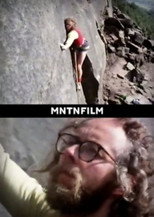
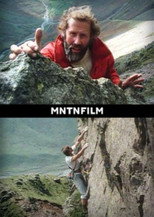
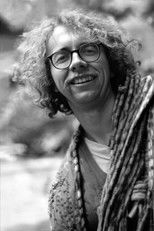
Pete Livesey, born on December 12, 1943, in Wakefield, Yorkshire, and died on February 26, 1998, was one of the leading figures in British climbing in the 1970s, known for raising the bar for traditional English climbing and for his competitive yet mischievous nature. Having come from an athletic background, where he ran at a national level from his teenage years, he developed early on the endurance, speed, and strength that would become the foundation of his climbing style, before turning to other outdoor activities such as caving and canoeing, in which he also excelled. It wasn't until his late twenties that he devoted himself fully to climbing, but his impact was immediate: in 1971, with the free ascent of Face Route at Gordale Scar, he established a series of sustained and committing free routes on the limestone of northern England, setting a new standard for difficulty. In the mid-1970s, Livesey was considered the best British climber, thanks in part to ascents like Footless Crow at Goat Crag and Right Wall at Dinas Cromlech, which were among the hardest routes in the country at the time. He was one of the first in Britain to systematize climbing-specific training, using the new artificial walls and structured sessions to develop strength and endurance—an approach later adopted and taken further by the next generation, notably Ron Fawcett, his protégé and rival. His ambition quickly spread beyond Britain: he made the second ascent of the Troll Wall in Norway, freed artificial routes in the Dolomites, impressed with his speed in the Austrian Kaisergebirge, and revolutionized free climbing in the Verdon Gorge by demonstrating that it was possible to climb there without pulling on pitons, notably establishing the Piche Nibou route. A charismatic and theatrical figure, Livesey masked an intense determination behind provocative humor and a disheveled style of dress, contrasting sharply with the more "athletic" image of the climbers who would follow him. In the early 1980s, after the Golden Mile route, he gradually turned away from high-level climbing to dedicate himself to orienteering and mountain running, where he still reached an elite level, topping the M45 rankings and achieving several consecutive top-10 finishes at the Karrimor International Mountain Marathon. At the same time, he directed a renowned outdoor activities program at Ilkley and Bradford Community College and was involved with the British Mountaineering Council, also making his mark on the community through his role as an educator and organizer. Pete Livesey died of cancer on February 26, 1998, aged 54, leaving behind a major body of work of daring routes and a legacy of innovation in training, free climbing ethics and mental commitment on the rock, which would have a lasting influence on British and European climbing.